A good pantry setup makes it obvious what you own, what is running low, and where everything goes after grocery day. The best products are not always the prettiest ones. They are the ones that fit the shelf, make categories visible, and do not create more work.
Start with the problem, not the container. If snacks are the mess, use open bins. If pasta and rice are the mess, use clear canisters. If cans disappear in the back, use shelf risers. If packets and small bags fall over, use shallow bins or drawer-style baskets.
Quick picks for most pantries
Best for snacks, breakfast packets, baking items, and duplicates.
Best for pasta, rice, oats, cereal, flour, and sugar.
Best for seeing what is hiding in the second and third rows.
Best for oils, vinegars, condiments, and small jars.
The one rule before buying pantry organizers
Organize by category before you organize by container. Put snacks with snacks, baking with baking, breakfast with breakfast, and dinner staples with dinner staples. Once the categories are clear, it becomes much easier to see whether you need bins, canisters, risers, baskets, or nothing at all.
Measure these four things
- Shelf width from side to side.
- Shelf depth from front edge to back wall.
- Vertical clearance between shelves.
- Door clearance if the pantry has a swinging or folding door.
Pantry products worth comparing
Clear open bins
Clear bins are the most flexible pantry product because they work for snacks, packets, pasta bags, backup condiments, and small baking items. Choose bins with straight sides when possible, since angled sides waste shelf space.
Airtight canisters
Canisters are best when they replace messy bags that never close well. They are not necessary for every food item. Start with the foods you use weekly, then add more only if the system stays easy.
Shelf risers
Shelf risers are useful when you have short items on tall shelves. They create a second level for cans, jars, mugs, and small boxes without forcing you to stack items directly on top of each other.
Turntables
A turntable works well for round bottles, oils, vinegars, spreads, and small jars. It is less useful for square boxes, bagged snacks, or anything too tall to spin without hitting the shelf above it.
Labels
Labels help when more than one person uses the pantry. Keep them simple. Label categories like “snacks,” “breakfast,” and “baking” before labeling every individual container.
Pantry product picks
Start with organizers that make loose categories easier to see, grab, and reset after grocery day.
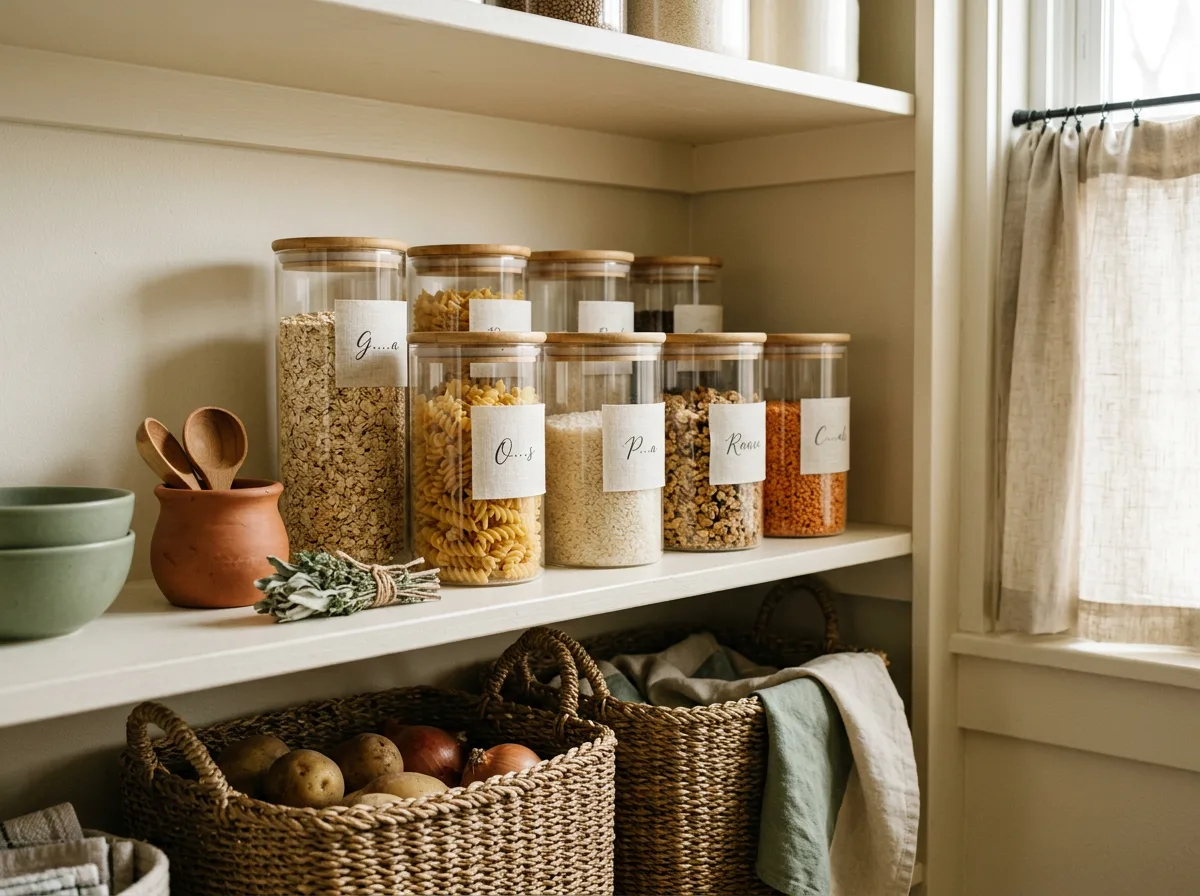
Clear canister set
Use for pasta, oats, rice, cereal, and baking staples.
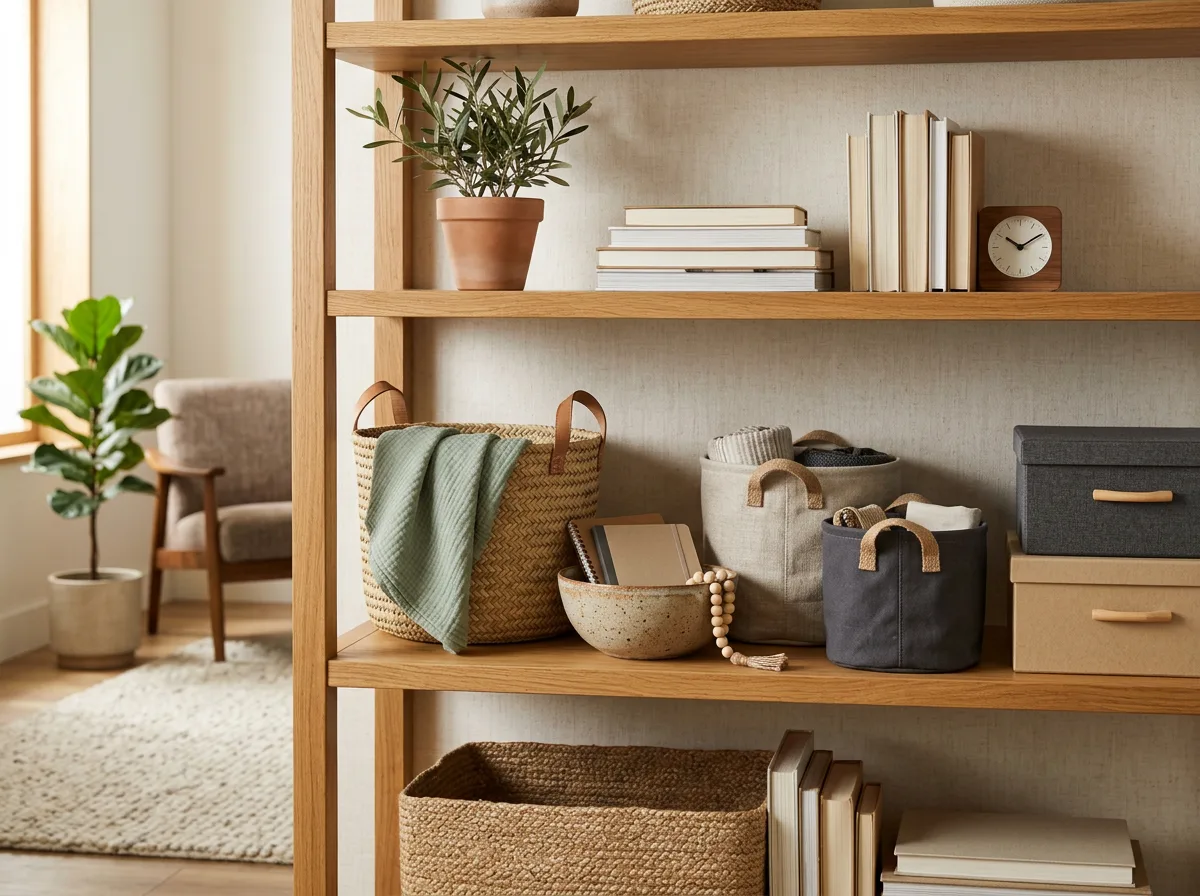
Sorbus stackable open-front pantry bins
Use for snack bags, packets, lunch items, and kid zones.
View on Amazon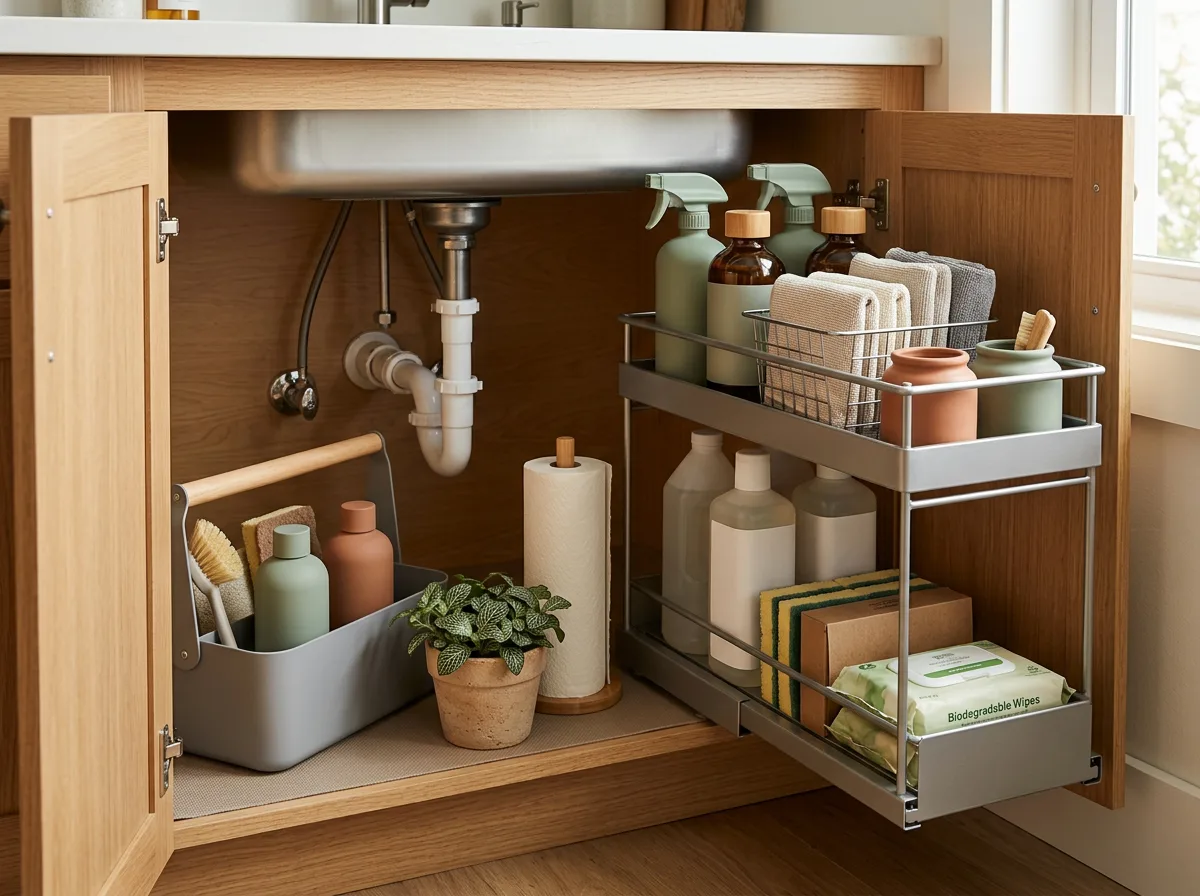
Pull-out organizer
Use for awkward lower shelves and hard-to-reach pantry corners.
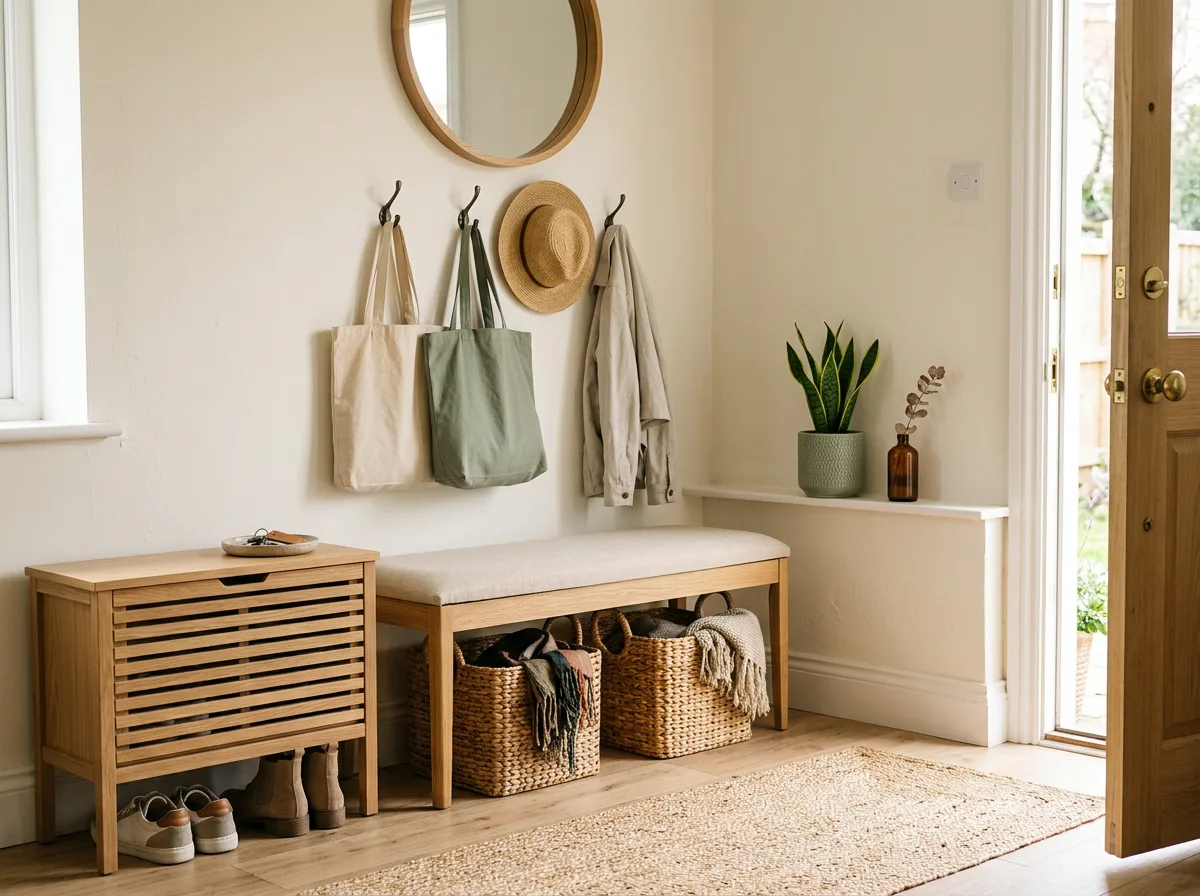
Woven backstock basket
Use for extra paper goods, bulk snacks, or overflow staples.
What to skip
Avoid buying a full pantry kit before you know what categories you actually store. Matching containers look clean, but they can waste money if the sizes do not fit your groceries or shelves.
- Skip tiny canisters unless you know exactly what will go inside.
- Avoid deep bins for items you need to see every day.
- Do not decant everything just because it looks good in photos.
- Skip label styles that are hard to read from a standing position.
A 30-minute pantry setup
- Minutes 1-5: Remove expired food and empty packaging.
- Minutes 6-10: Group items into snacks, breakfast, baking, dinner, and backstock.
- Minutes 11-15: Measure the shelves that hold the messiest categories.
- Minutes 16-20: Assign one category per shelf or bin.
- Minutes 21-25: Put the most-used items between waist and eye level.
- Minutes 26-30: Add temporary labels and live with the setup for one week.
Bottom line
Buy pantry products that solve the mess you actually have. Clear bins, canisters, risers, and turntables are the safest first comparisons because each solves a different pantry problem.
See sample product picks