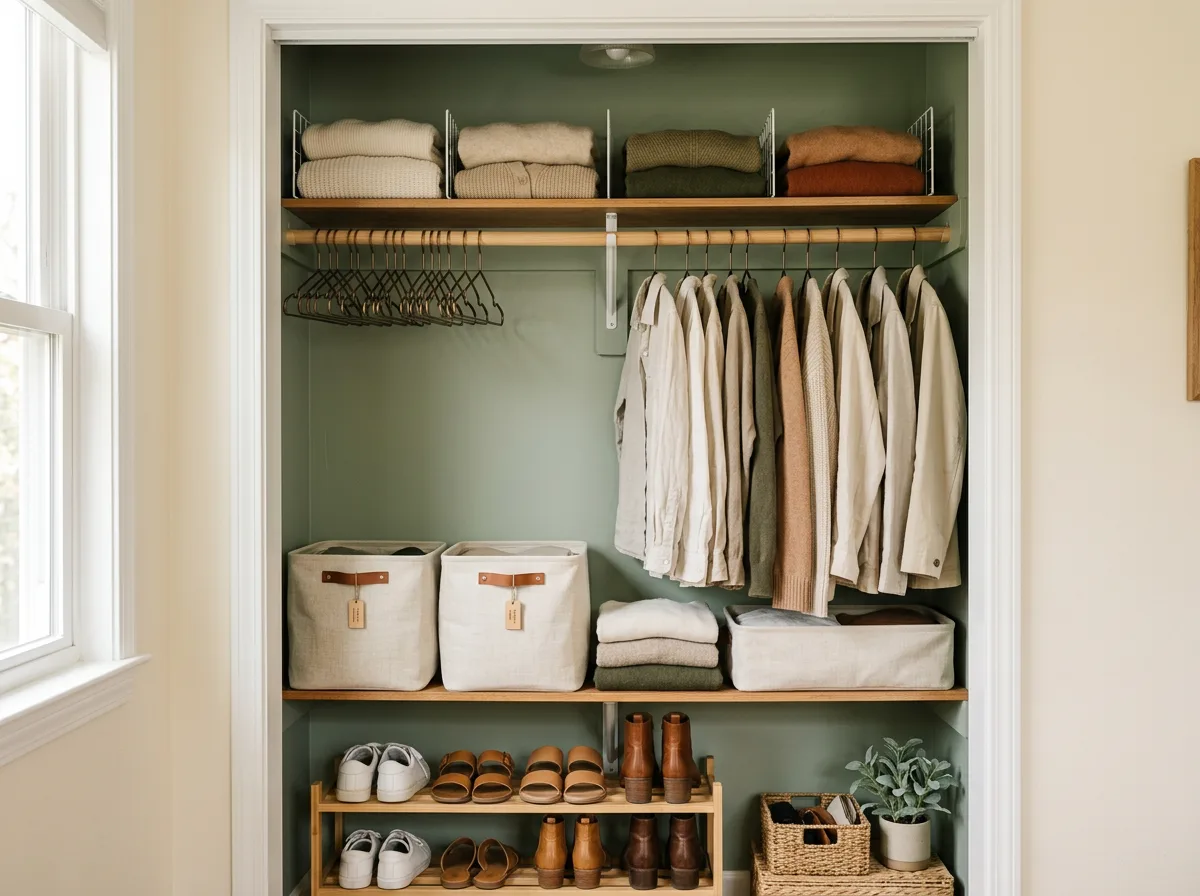
Small-space storage works best when every organizer has a job. The goal is not to buy more bins. The goal is to create a few reliable systems for the items that keep landing on counters, floors, chairs, and entryway tables.
The best first upgrades are usually vertical storage, hidden storage, and drop-zone storage. In plain English: use the back of doors, use the space under sinks and beds, and give daily items a place to land the moment you walk in.
Quick picks for small homes
Adds storage without tools, drilling, or floor space.
Groups snacks, cans, packets, and backups by category.
Creates a shoe zone, bag drop, and seat in one footprint.
Good for linens, seasonal clothes, and off-season shoes.
Measure before you buy anything
The fastest way to waste money on organizers is to buy products before measuring. Measure width, depth, height, and clearance. For drawers, check whether handles, pipes, hinges, or outlet covers block the usable space.
The small-space measuring checklist
- Measure the opening and the usable inside space.
- Check door swing, drawer pull, and hinge clearance.
- Leave room for your hand to reach items in the back.
- Buy one test organizer before ordering a full set.
Room-by-room storage ideas
Kitchen: make categories visible
Small kitchens fall apart when every shelf becomes a mixed pile. Use clear bins for snacks, shelf risers for cans, drawer dividers for utensils, and a turntable for oils or condiments. If you rent, stick with freestanding and removable options before adding wall hardware.
Closet: reduce visual noise
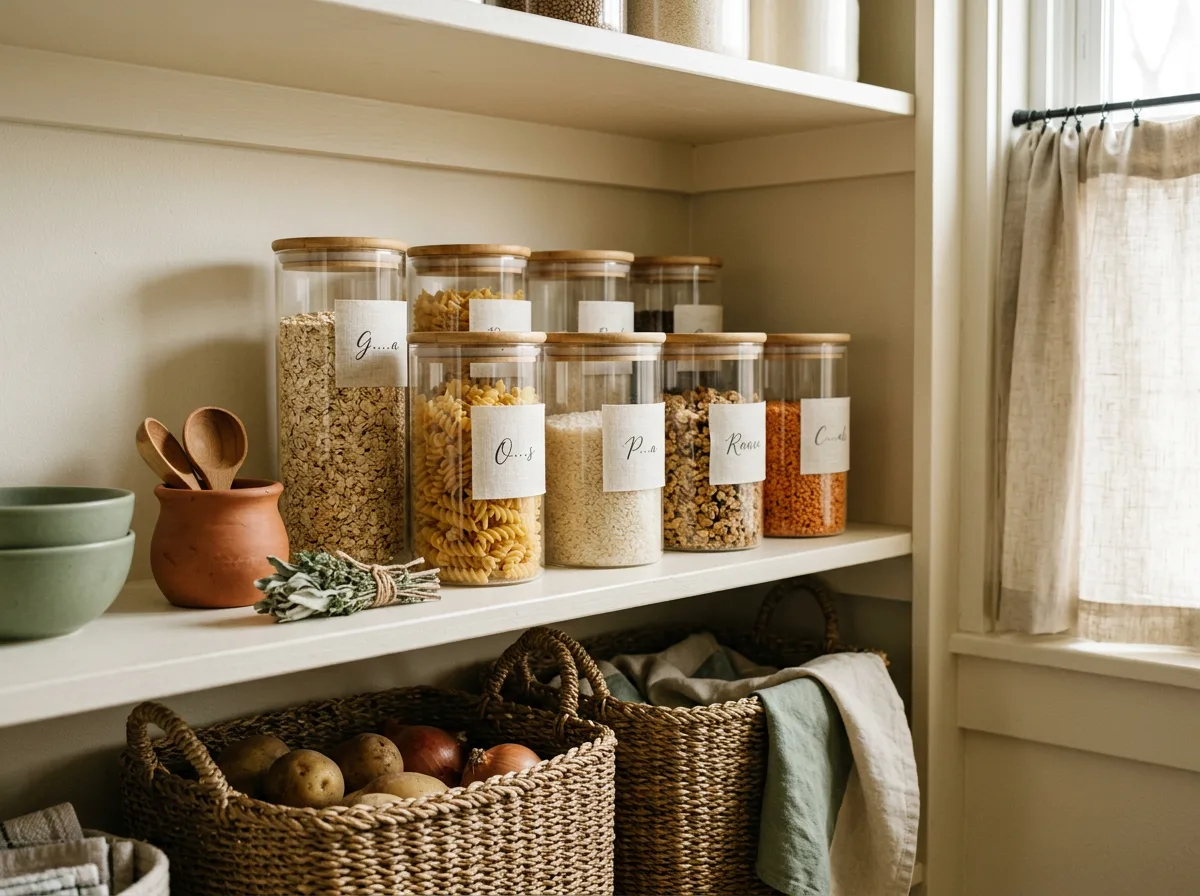
Matching hangers, fabric bins, and simple shelf dividers can make a small closet feel calmer quickly. Store less-used items on the top shelf, keep daily clothes at eye level, and put shoes on a rack instead of the closet floor.
Bathroom: work around pipes
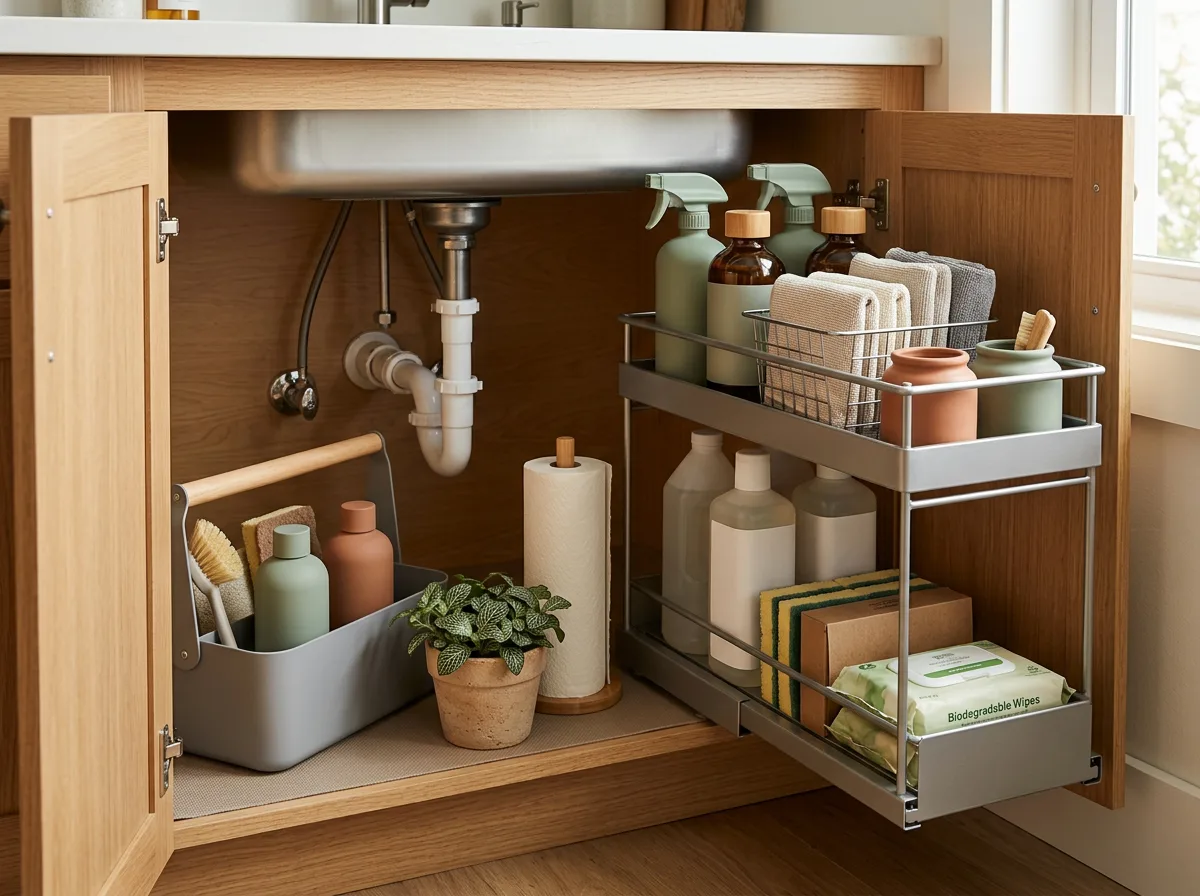
Under-sink storage is rarely a perfect rectangle, so adjustable shelves and pull-out drawers are usually easier than one large bin. Use small caddies for hair tools, cleaning supplies, and backup toiletries so nothing disappears behind the plumbing.
Entryway: create a landing zone
The entryway needs a simple rule: everyday items should have a landing spot before they reach the kitchen counter. A narrow bench, a key tray, hooks, and two baskets can handle shoes, bags, mail, and the items you need when leaving the house.
Product types worth comparing
These product categories are good candidates for affiliate guides because they solve clear problems and can be compared by size, material, use case, and setup difficulty.
Woven storage baskets
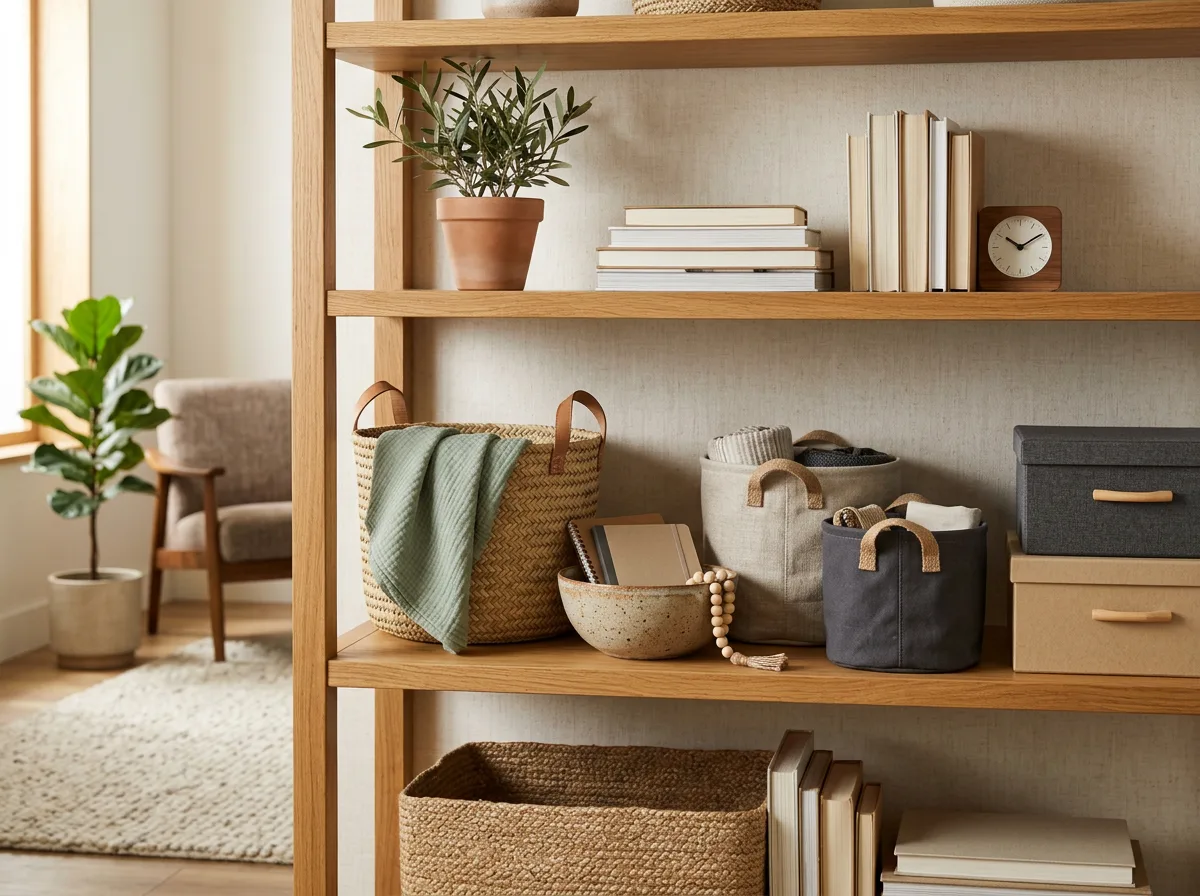
Best for blankets, toys, remotes, and visual clutter.
Pantry canisters and bins
Best for dry goods, snack zones, and small shelves.
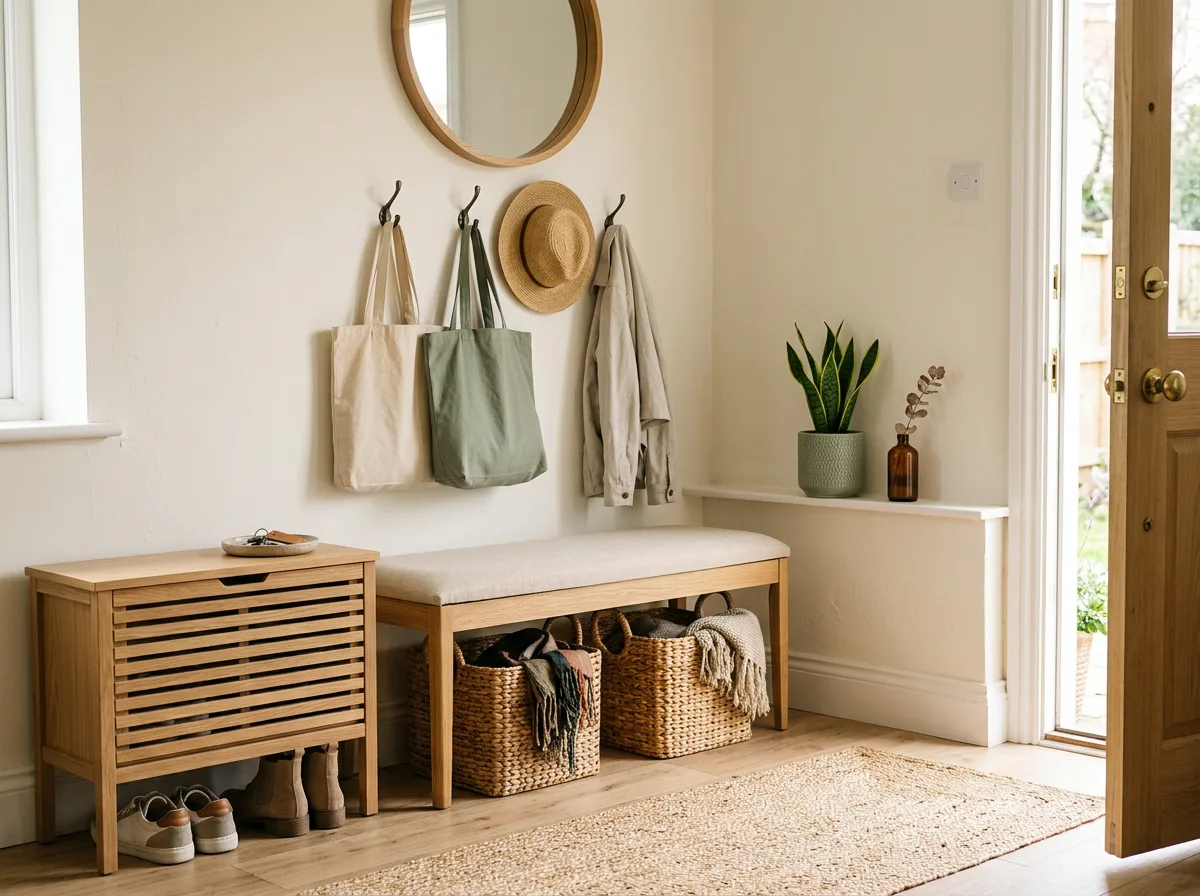
Narrow storage benches
Best for shoes, bags, and small hallway drop zones.
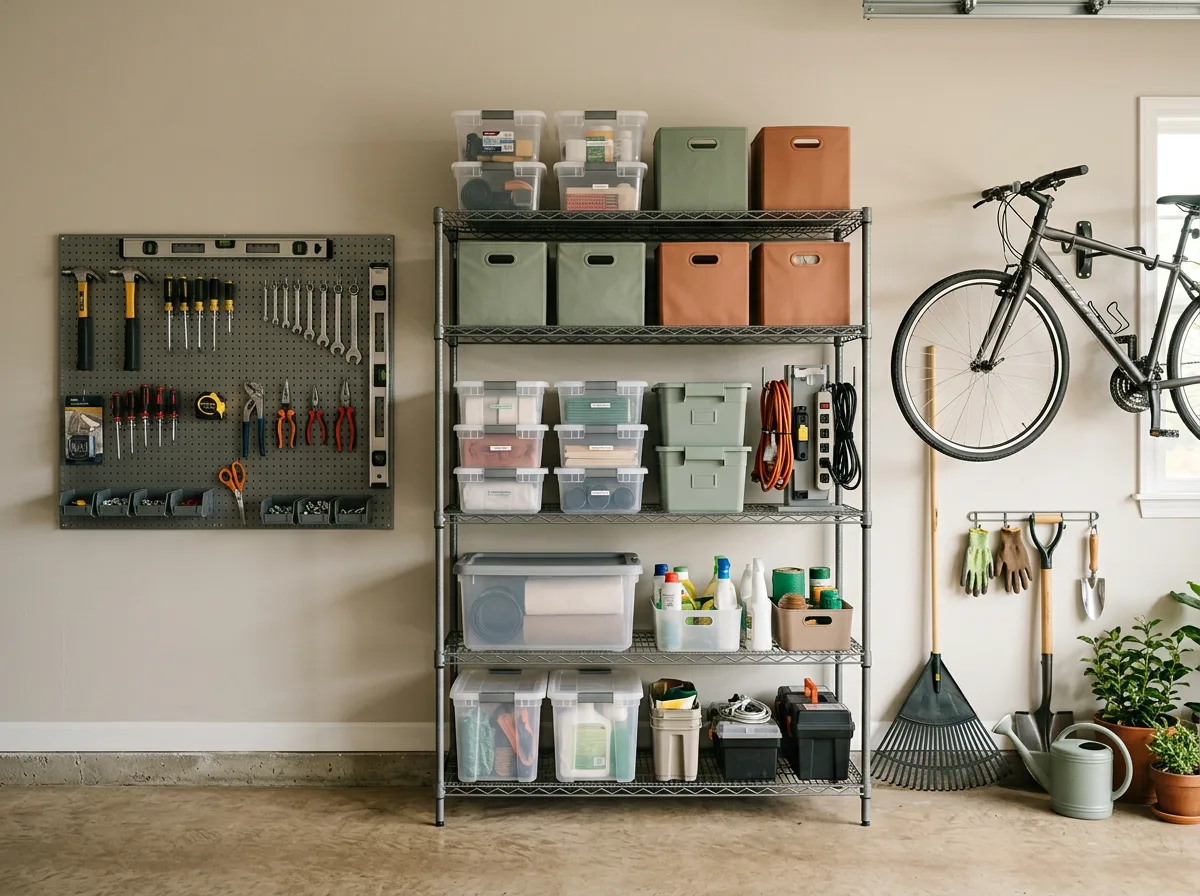
Adjustable shelving
Best for totes, seasonal gear, tools, and overflow.
What to skip in a small space
Skip oversized bins that hide what is inside, cube units that are deeper than the items you store, and decorative baskets without a specific job. Also be careful with organizer sets. A set looks neat in photos, but mixed sizes often work better in real cabinets and closets.
- Avoid opaque containers for items you use every week.
- Skip extra-deep bins on high shelves unless they have handles.
- Do not buy a full matching set until one piece works in your space.
- Avoid permanent hardware if you rent or expect to move soon.
A 7-day starter plan
- Day 1: Pick one pain point, such as shoes by the door or snacks falling out of the pantry.
- Day 2: Remove everything from that one area and group similar items together.
- Day 3: Measure the space and write down the exact dimensions.
- Day 4: Choose one organizer type, not a whole-room makeover.
- Day 5: Install or place the organizer and leave it half full.
- Day 6: Label only what other people in the home need help finding.
- Day 7: Check what still lands on the floor or counter and adjust the system.
Bottom line
Start with one small area, solve one repeated problem, and buy the organizer that fits that job. A calmer home usually comes from a few reliable systems, not from a cart full of matching bins.
See sample product picks